Is Your Home Suitable for Cavity Wall Insulation? Know Here
Summary
You should know if your home is suitable for cavity wall insulation. Your wall must have a cavity, and it should be dry. Look for existing insulation, and get professional help.
=========================================
Hey! Do you notice your home feels colder than it should? It is a clear indication of Cavity wall insulation in Scotland. However, it is one of the cost-effective ways to improve energy efficiency in your home.
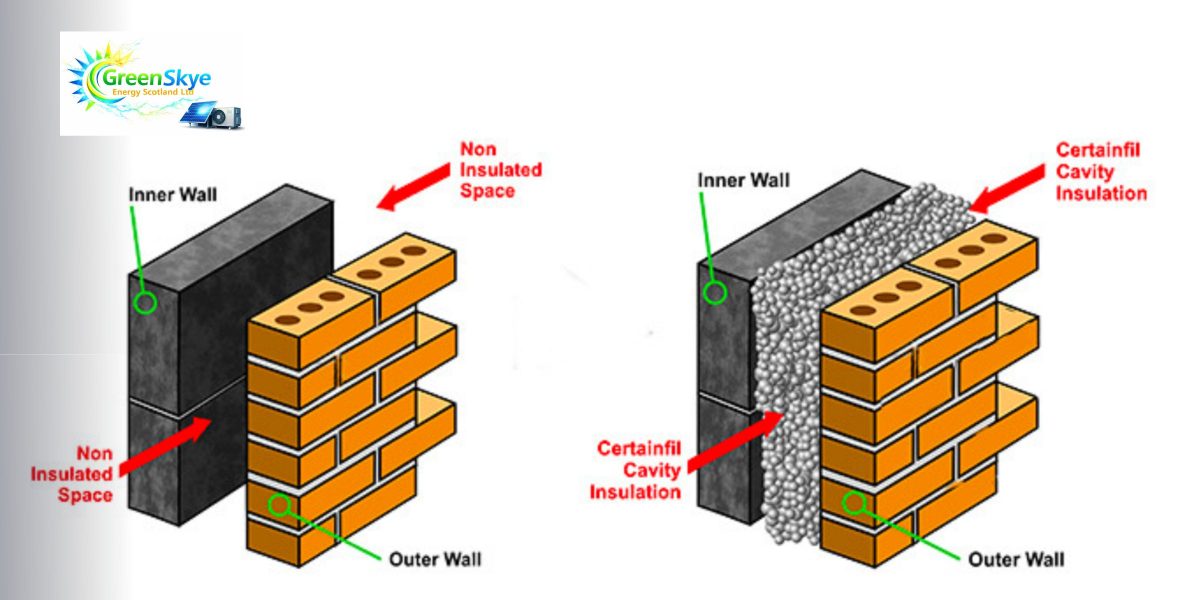
It actually fills the gap between a home’s inner and outer walls and reduces heat loss. The result? lower energy bills and a more comfortable home environment. In this blog, we will discuss this insulation type and whether your home is suitable for it.
What is Cavity Wall Insulation, and How Does it Work?
This insulation actually fills the gap between a building’s inner and outer walls with mineral wool, beads, or foam. It creates a thermal barrier to trap heat in winter and keep it out in summer. As a result, your home remains warmer, and you can reduce energy bills.
When you install insulation, heat cannot easily travel through the air. It is because the materials trap air between the cavity walls and fibres. That is why an insulated wall can control heat more effectively than empty cavity walls.
How Do You Know Your Home Needs Cavity Wall Insulation in Scotland
You know that wall insulation is one of the most effective ways to improve your home’s energy efficiency. You can save money on heating bills and reduce your carbon footprint. You might know that a significant portion of heat is lost from homes through the walls. But are you a good candidate for installing cavity wall insulation? Let’s find the answer:
The Walls Must Have a Cavity
The first and most important step is to determine your wall type. Maybe you have solid walls, or they have a cavity. It is actually related to your home’s age and how the bricks were laid. Many homes in Scotland have a cavity.
A simple visual inspection is essential before installing insulation. Look at the brick pattern on your exterior walls. If you have a cavity wall, you can see bricks laid in an even, repeating pattern, and only the long side of the bricks is visible.
Importance of Dry Walls
After a visual inspection, you can understand whether you have a cavity. The next step is crucial. Are your external walls in good shape? You should only consider insulation in a dry, sound structure.
If you see any cracks, damage, or signs of damp, you should not install insulation in the walls. Do you know why? If water can penetrate the outer wall, it will soak the insulation material.
Inspecting the Existing Insulation
You might not know that your home could already be insulated. Sounds surprising! Yes, you do not know if previous homeowners have installed it. You cannot always understand from the outside. A professional survey is essential.
What if the insulation is already present and in good condition? You might not have to do anything further. Or maybe the existing material has slumped to the bottom? They become damp. You have to seek professional help before installation.
Get Professional Help
Ultimately, the most essential step is to get a professional assessment. The installer surveys to know if your home is a good candidate for insulation.
They have the proper tools and expertise to ensure the job is done correctly. You can ensure you get reliable advice and learn if your home is suitable for wall insulation.
With the above-mentioned steps, you can determine if your home is ready for the warmth and savings that cavity wall insulation provides. Our team is here to guide you through the entire process and address any questions you may have. If you have any queries, please contact us today.
Popular Posts
February 18, 2026
Leave a Reply