How to Avoid Damp After External Wall Insulation in Your Home?
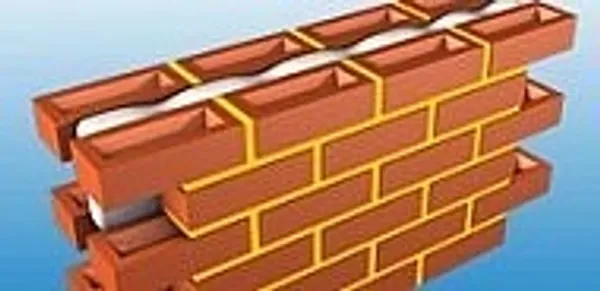
Summary: There are several ways to avoid damp after wall insulation. Fix existing damp issues and ensure proper ventilation inside your home. Maintain your gutters and check exterior walls regularly.
================================
Hey! Are you considering external wall insulation for your home? That’s great! It has become a popular way to improve energy efficiency. In fact, many homeowners opt for EWI to keep their homes warmer and reduce heating bills. However, if the installation process goes wrong, you can notice damp issues on your walls. It is crucial to consider moisture control to deal with wet weather and high humidity levels. Do not worry! Here is the good news! You can avoid damp issues with proper planning and maintenance.
Excellent Hacks to Avoid Damp After External Wall Insulation
Fix Existing Damp Issues Before Installation
One of the biggest mistakes many homeowners make is installing insulation without addressing existing damp issues. If your walls already have moisture problems, such as rising damp or leaks, treat them as soon as possible. If you add insulation on the top, it can trap the moisture inside the walls. As a reputable Scottish-based insulation provider, we recommend analysing your exterior walls before insulation to avoid future issues.
Ensure Proper Ventilation Inside Your Home
Yes, it is essential! If the ventilation is poor, indoor moisture can still cause damp issues even with wall insulation. Everyday activities such as cooking, drying clothes, and showering release moisture into the air. If this moisture has nowhere to go, it can condense on cooler surfaces and create mould or damp patches. Your home becomes more airtight after installing insulation. Maintain good ventilation inside your home and open windows occasionally to reduce indoor humidity.
Maintain Gutters, Roof, and Drainage
Although external wall insulation protects the walls, it can not compensate for problems elsewhere in your property. Leaking roofs, damaged gutters, and blocked downpipes can allow water to run down exterior walls. If water overflows from the walls, it can cause dampness. Clean your gutters and downspouts regularly to prevent moisture issues. Good drainage around your house helps keep rainwater away from the walls and reduces the risk of moisture entering the insulation system.
Ensure the Walls Can Breathe
Do you know that buildings naturally absorb and release moisture? Your wall structure should manage moisture effectively even after wall insulation. If moisture becomes trapped within the walls and cannot escape, it can gradually build up and cause damp patches. Allow your walls to breathe to ensure water vapour moves outward instead of staying inside the wall. Ensure your walls are dry, clean, and in good condition before insulation.
Check the Exterior Walls Regularly
It is crucial to examine the exterior walls even after insulation installation. Damage from storms, small cracks, or general wear over time can allow water to penetrate the surface. When you check the walls, you can detect these problems before they turn into major damp issues. Look for signs such as staining and cracks in the render. If you notice any damage, repair it quickly to ensure your insulation system performs properly.
We hope this blog offers valuable insights. When you take care of your wall insulation, it can provide long-term comfort and protection without creating unwanted moisture issues.
Popular Posts



June 12, 2026