Types of Roof Insulation in Scotland: Which One Is Right for You?
Summary
Roof insulation isn’t one-size-fits-all. Blanket insulation works well for simple lofts, rigid boards suit conversions or tight spaces, loose-fill helps fill awkward gaps, and spray foam is more specialised and needs careful use. The right choice really comes down to your home’s structure, age, and how you want it to perform in colder months. To learn more, get in touch with a roof insulation provider and explore what option actually suits your home best.
Roof insulation is one of those things people don’t think about until winter arrives and the house starts feeling like it’s gently giving up on warmth in Scotland. You sit there with a mug of tea, wondering where all the heat went. Upwards. Always upwards.
And then the question comes in—quietly at first, then louder: what type of roof insulation do I even need?
There isn’t just one answer, annoyingly. There are a few. And each one kind of suits a different home, different roof, different situation. Let’s just talk through which roof insulation in Scotland is suitable for you.
What Roof Insulation Type Is Best for Scottish Homes? A Simple Guide
1. Blanket Insulation (The One Most People Start With)
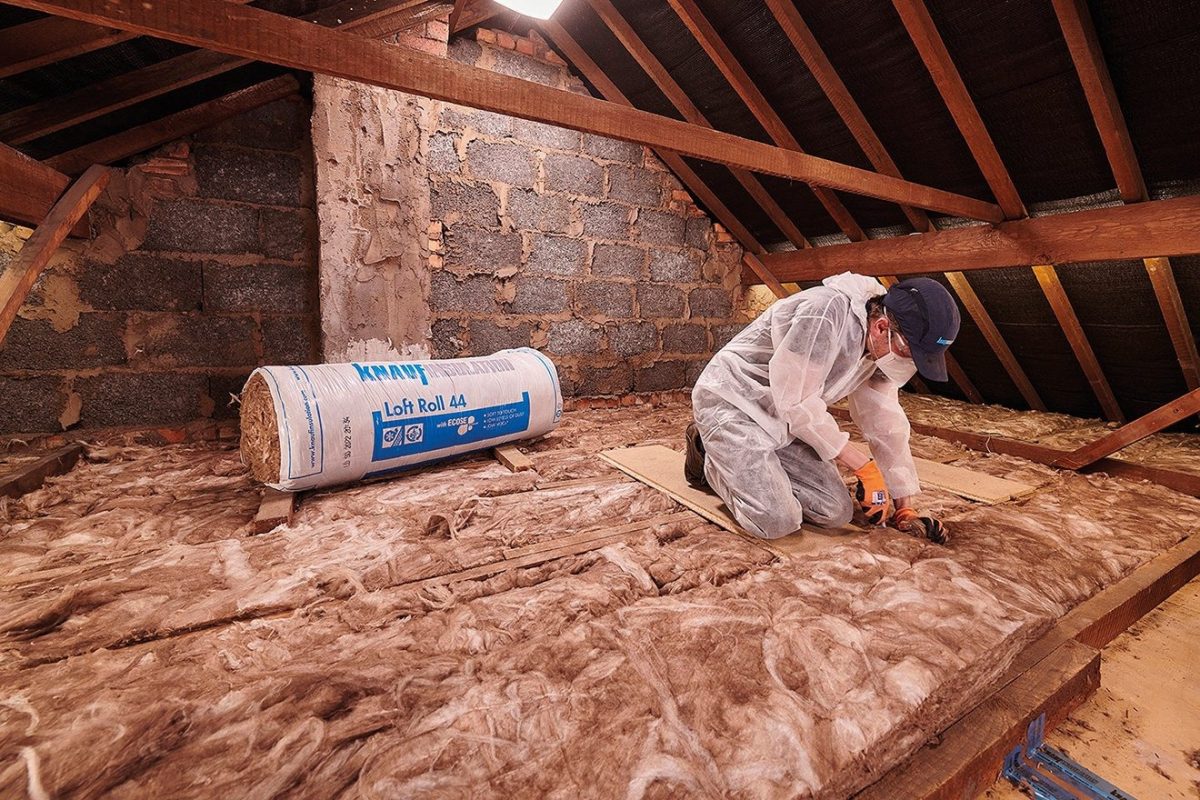
This is probably the most common one in Scotland. Rolls of mineral wool or fibreglass laid between and over joists in the loft.
Feels simple. Because it is. It works best for:
- Standard loft spaces with easy access
- Older homes where the loft is just… a loft (not converted, not fancy)
- People who want a cost-effective upgrade without drama
You might hear someone say, “Is blanket insulation really fine for my home?” And honestly, they’re not wrong. But it’s not perfect. If your loft is cramped or already converted, it becomes a bit of a wrestling match.
2. Rigid Board Insulation (For When Space Matters)
Now this one feels a bit more structured, a bit more… serious. Rigid foam boards like PIR are cut and fitted into place.
It’s used where you want high thermal performance but not much thickness. Which matters more than you think in Scottish homes, where roof space can already feel tight.
Best for:
- Loft conversions
- Flat roofs
- Homes where every inch of space counts
3. Loose-Fill Insulation (A Bit Like Snow… But Indoors)
This one is oddly satisfying in theory. Small particles, usually cellulose or mineral wool, are blown into the loft space.
It spreads out evenly, fills gaps, and gets into awkward corners. Very useful in older Scottish houses where nothing is quite straight anymore. Works well for:
- Irregular loft spaces
- Hard-to-reach areas
- Top-ups over existing insulation
But… it can shift slightly over time. So it’s not exactly “set and forget.” Still, there’s something comforting about it covering everything like a soft layer, especially when a roof insulation provider has done it properly, and everything just feels a bit more settled.
4. Spray Foam Insulation (The Controversial One)
Okay, this one divides opinions. Spray foam expands and hardens when applied, sealing gaps completely. Good for airtightness. Not always good for flexibility.
Suitable for:
- Roofs with lots of gaps or draught issues
- Hard-to-seal structures
- Some modern builds
But—and this is important—it can cause issues if applied incorrectly, especially in older properties. Ventilation matters. A lot. Some homeowners love it. Some regret it. It really depends on the house… and honestly, the installer.
5. Warm Roof Vs Cold Roof (This Is Where It Gets Slightly Technical)
Not exactly a material, but still important when talking about roof insulation in Scotland. Cold roof insulation sits at the loft floor level. Warm roof insulation sits above the roof structure
Warm roofs are often used in conversions or extensions. Cold roofs are what most traditional homes have.
Which one is right? Depends if you use your loft or not. Simple, but also not simple at all.
Which One Should You Choose?
If I had to break it down in a very human way:
- Old Scottish home with an empty loft → blanket insulation
- Loft conversion or tight space → rigid board insulation
- Weird-shaped attic full of gaps → loose-fill insulation
- Draughty, complex roof structure → spray foam (but carefully, very carefully)
And sometimes… It’s a mix. Not one single solution.
Roof insulation isn’t just about warmth. It’s about how your home behaves in winter. How it holds heat. How it fights the cold outside that just doesn’t really care how cosy you want to be. Contact us today to learn more about such insights.
Popular Posts



June 12, 2026